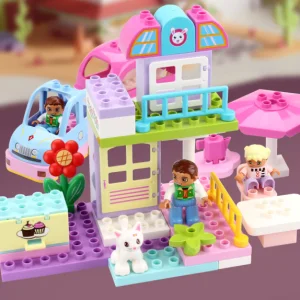
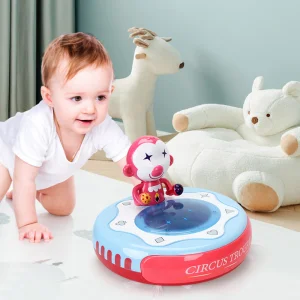
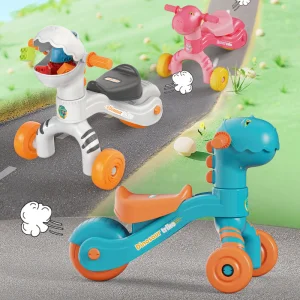
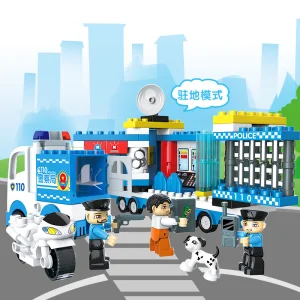
Explore top-tier educational toy innovations engineered for cognitive development, sensory refinement, and compliance with stringent international safety protocols (EN71, ASTM F963, ISO 8124).
The global educational toy sector is undergoing a profound paradigm shift. Driven by early childhood STEAM (Science, Technology, Engineering, Arts, and Mathematics) learning frameworks and heightened parental demand for developmental play, the valuation of the global educational toy market is projected to exceed USD 85 Billion by 2030. In evaluating search intent data across global B2B procurement networks, key enterprise buyers—ranging from educational institutions to big-box retailers—are prioritizing non-toxic materials, high structural durability, smart pedagogical value, and robust supply chain integration.
This whitepaper presents a rigorous analysis of the world’s leading 10 educational toy supplier factories, detailing their manufacturing architecture, compliance standards, and technological capabilities. Particular emphasis is placed on China’s toy manufacturing clusters, such as Shantou (Chenghai), Ningbo, and Dongguan, which collectively account for over 70% of global toy export volume through unparalleled supply chain density, automated injection molding, and rapid prototyping technologies.
When global procurement directors evaluate OEM/ODM partners, criteria extend far beyond price per unit. Quality assurances, safety certifications, custom tooling precision, structural drop-test integrity, and ethical labor standards form the core matrix of enterprise qualification. Below is the comprehensive ranking and operational evaluation of the premier 10 educational toy manufacturing entities globally and across China’s manufacturing corridors.
| Rank | Factory / Supplier Name | Primary Manufacturing Base | Core Competencies & Specialization | Key Compliance Certifications |
|---|---|---|---|---|
| 01 | LEGO Group | Denmark / Czech Rep. / China | Precision ABS Interlocking Bricks, STEM Modular Systems | ISO 9001, EN71, ASTM F963, ICTI Care |
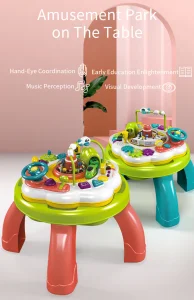
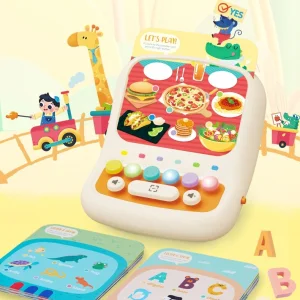
| 02 | Five Star Toys | Guangdong, China | Infant Cognitive Toys, Food-Grade Pretend Play, Interactive Desktops | CCC, EN71, ISO9001, ASTM F963, BSCI |
| 03 | VTech Holdings | Dongguan, China | Electronic Learning Products (ELPs), IoT Smart Educational Devices | ISO 14001, FCC, EN71, CE, RoHS |
| 04 | Hape Holding AG | Ningbo, China / Germany | Eco-Friendly Wooden Toys, Sustainable Bamboo STEM Playsets | FSC-Certified, EN71, ASTM, ISO 9001 |
| 05 | Ravensburger AG | Germany / Czech Republic | Cognitive Puzzles, 3D Spatial Logic Sets, Interactive Audio Books | FSC, CE, EN71, ISO 9001 |
| 06 | Mattel (Fisher-Price Division) | China / Indonesia / Mexico | Early Childhood Developmental Play, Toddler Gym Mats, Roleplay Sets | ICTI Care, ISO 9001, ASTM F963, EN71 |
| 07 | Bandai Namco Group | Japan / China | Character-based STEM Kits, Model Engineering, Interactive Electronics | ST (Japan Safety Standard), ISO 9001, EN71 |
| 08 | Melissa & Doug | China / Vietnam | Sensory Wooden Pretend Play, Skill-Building Tactile Sets | ASTM F963, EN71, CPSIA, FSC |
| 09 | Spin Master Corp. | China / Vietnam | Robotic Educational Companions, Kinetic Activity Toys | ICTI, ISO 9001, EN71, ASTM F963 |
| 10 | Hasbro Educational Division | China / India | Compound Learning Systems, Strategy & Social-Emotional Roleplay | BSCI, EN71, ASTM F963, ICTI Care |
China remains the undisputed epicenter of global educational toy production. Global brands, distributors, and educational institutions leverage China’s manufacturing ecosystem due to distinct, scalable structural advantages:
Regions like Shantou (Chenghai), Ningbo, and Dongguan house complete supply chain clusters within a 50-kilometer radius. Raw polymer suppliers, mold manufacturing workshops, IC-chip developers, non-toxic packaging converters, and accredited testing labs operate synchronously, reducing production lead times by up to 45% compared to emerging markets.
Leading Chinese factories employ virgin food-grade ABS, polypropylene (PP), and eco-friendly bioplastics. Utilizing advanced multi-cavity injection molding, ultrasonic plastic welding (eliminating toxic chemical adhesives), and heat-transfer graphic printing, manufacturers guarantee products free from phthalates, BPA, heavy metals, and sharp mechanical edges.
Chinese suppliers excel in rapid prototype development. Equipped with 3D industrial printing, multi-axis CNC tooling, and in-house sound engineering labs, top factories can transform a conceptual sketch or CAD file into a compliant production sample in less than 15 business days.
Five Star Toys, founded in 1995, is a professional large-scale enterprise specializing in infant and early childhood educational toys, seamlessly integrating research, development, design, high-precision production, and international sales. Over the past 33 years, our products have been exported to nearly 100 countries and regions across Europe, America, North Asia, and the Middle East, delivering safe, cognitive-enhancing toys to millions of children worldwide.
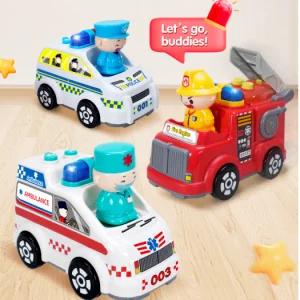
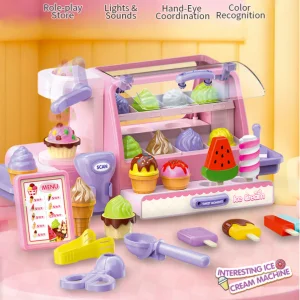
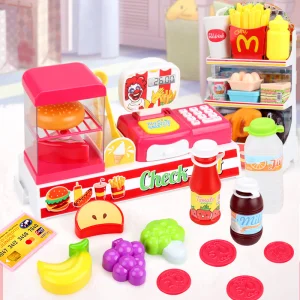
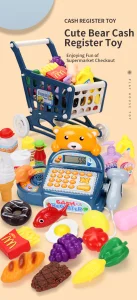
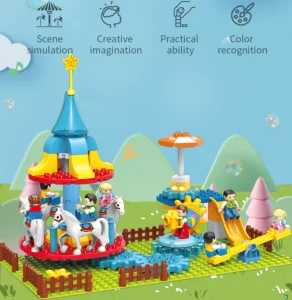
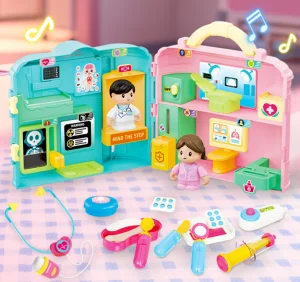
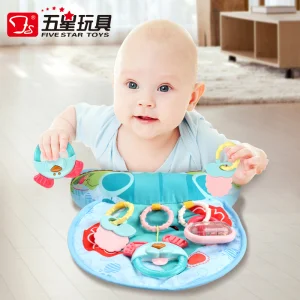
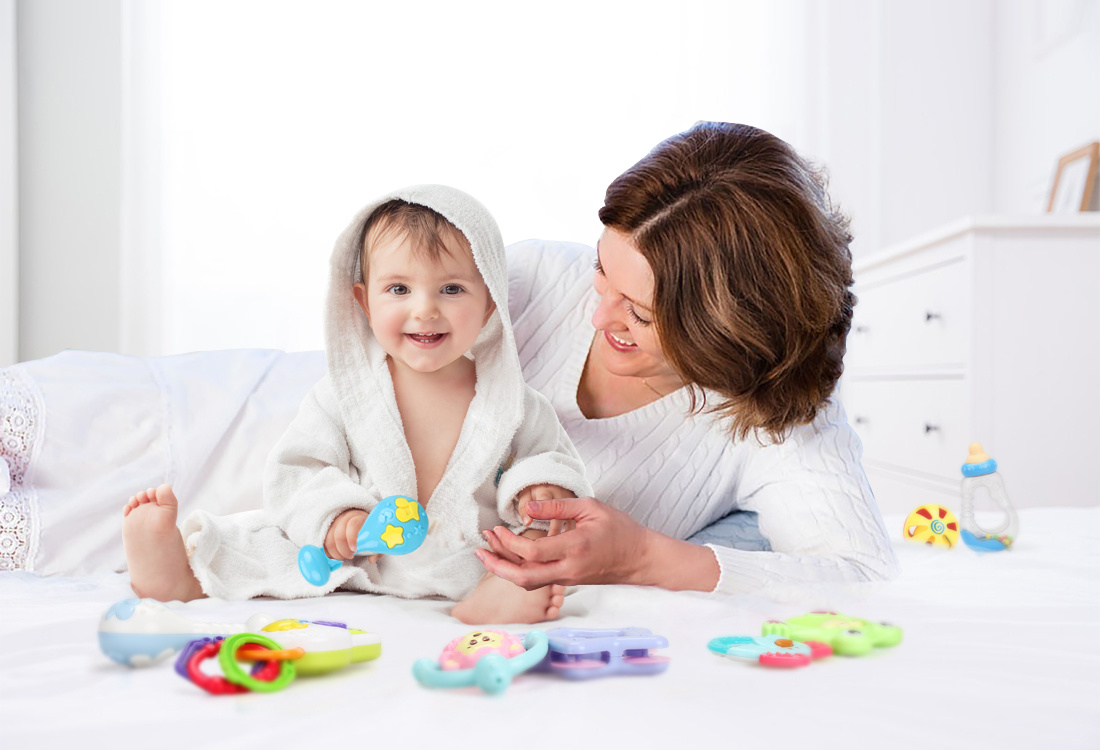
Five Star Toys manages four flagship self-owned brands: "Five Star Toy", "Ballie princess", "Beilexing", and "Duoqile". Our primary product portfolio spans foundational sensory rattles, educational playhouses, realistic cash registers, STEAM logic learning desktops, and multi-functional infant fitness play mats.
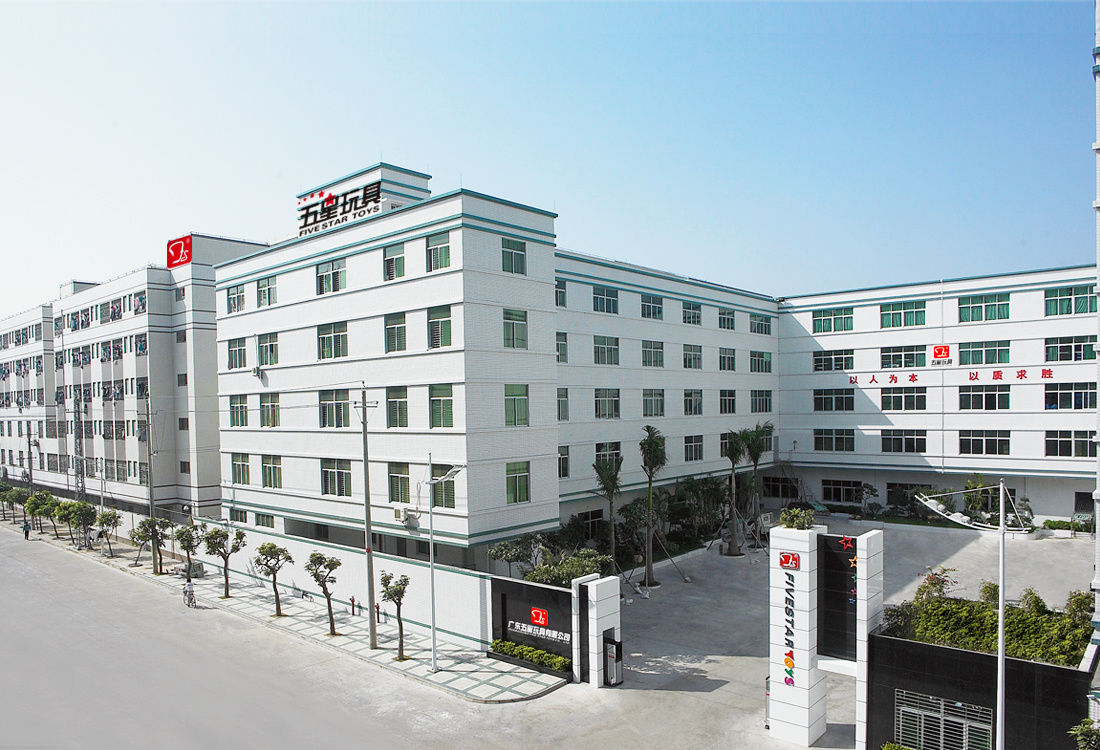
★ Mission: "Produce toys like producing food"
Five Star Toys has maintained strict, food-grade manufacturing standards for decades. Our philosophy rests on the belief that toys are not merely playthings, but critical instruments that ignite curiosity, unleash imagination, and foster comprehensive physical, motor, and intellectual development in children aged 0–6 years. Every component undergoes stringent toxicological assessment and structural verification to serve as an indispensable, trustworthy companion throughout early childhood.
★ Innovation & Continuous Excellence: We cultivate an organizational environment driven by creative courage and technical transcendence. Through systematic management upgrades, structural R&D investments, and teamwork, we consistently exceed global customer expectations.
★ Customer-Oriented & Trustworthy: We deeply analyze explicit and latent market requirements to deliver zero-defect products. Trust from international partners, regulatory agencies, and consumers forms the baseline of our operational legacy.
★ Client Comes First, Profit Comes Second: We strongly believe that commercial success relies on mutual profitability. If our products fail to create sustained economic value and market demand for our distributors and retail partners, short-term profit is meaningless. We put client growth at the forefront of our business strategy.

To capture high-value market share, procurement officers and product managers must align their sourcing roadmaps with macro technological and behavioral shifts in child education:
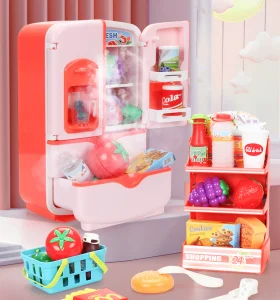
Traditional static toys are rapidly evolving into hybrid, interactive platforms. Integrated logic modules, dual-language audio chips, and sensory feedback mechanisms (such as spray refrigeration simulators and motorized sound effects) engage multiple neurological pathways, significantly improving cognitive retention in 2-6-year-olds.
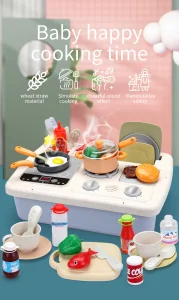
Roleplay toys—including mini cash registers, doctor pretend kits, and kitchen cooking setups—are expanding beyond basic play into emotional intelligence tools. These sets teach spatial organization, transactional math, social empathy, and fine motor dexterity.
Strict regulations such as Europe's REACH and the US CPSIA are driving demands for sustainable materials. Manufacturers leading the market are replacing traditional PVC and low-grade plastics with recyclable ABS, non-toxic water-based inks, and biodegradable resin packaging.
Educational toys must perform flawlessly across diverse commercial and institutional environments. Top-tier manufacturers tailor structural specifications to meet distinct operational needs:
Requires heavy-duty, impact-resistant toys capable of withstanding continuous daily sanitation and intensive usage. Key products include logic learning desktops and multi-functional activity centers that encourage cooperative group learning.
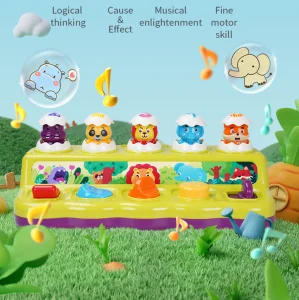
Demands high-impact shelf presentation, vibrant packaging, and multi-functional features that quickly convey value to buyers. Products like spray refrigerators, cash registers, and jungle pop-up games deliver strong retail shelf appeal.
Requires tactile, auditory, and visual sensory stimulation toys designed to assist children with developmental delays or sensory processing disorders. High-contrast colors, soft edges, and gentle audio triggers are essential for therapeutic settings.
Browse our additional certified educational play products engineered for global export and compliant with top safety standards.
 Five Star Toys