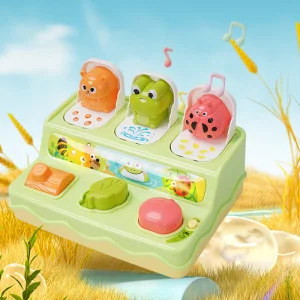
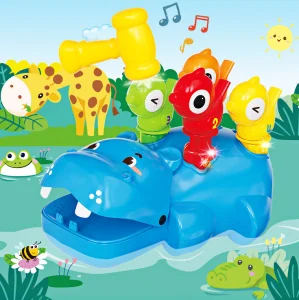
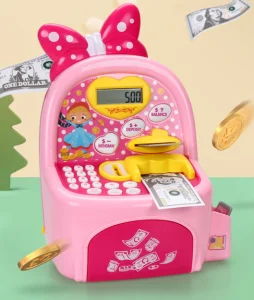
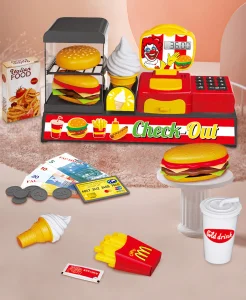
Engineered with zero-bisphenol compounds, food-grade polymer matrices, and ergonomic developmental functionality.
Analyzing global regulatory shifts, chemical safety directives, and material science evolutions in early childhood toy manufacturing.
The global infant products industry is undergoing a structural paradigm shift driven by stringent toxicological regulations, heightened parental awareness, and breakthrough advances in polymer engineering. Bisphenol A (BPA)—a synthetic compound historically utilized as a plasticizer and monomer in polycarbonate (PC) plastics and epoxy resins—has come under aggressive regulatory bans across North America, the European Union, and East Asia. Clinical pediatric studies conclusively link BPA exposure to endocrine disruption, developmental neurotoxicity, metabolic alterations, and early-stage cellular mutations in infants due to their underdeveloped metabolic pathways.
Consequently, the market demand for certified BPA-free baby toy solutions has expanded beyond simple voluntary brand differentiation into an absolute legal baseline. Modern procurement standards require complete elimination not only of BPA, but of the broader bisphenol family—including Bisphenol S (BPS), Bisphenol F (BPF), and endocrine-disrupting phthalates (such as DEHP, DBP, BBP, DINP, DIDP, and DNOP). Global tier-1 OEMs and solution providers are now mandated to implement full supply-chain traceability, raw polymer purity testing, and cleanroom molding techniques to ensure non-migration during oral exploration stages (0–36 months).
Polymer matrices synthesized to withstand enzymatic degradation from infant saliva, high-temperature steam sterilization, and mechanical stress without releasing free monomers.
High-grade polypropylene (PP), liquid silicone rubber (LSR), and Eastar Tritan™ co-polyesters ensuring impact resistance without brittleness over extended operational lifespans.
Rigorous compliance matching EU Toy Safety Directive 2009/48/EC, US CPSIA Section 108, EN 71 Parts 1-3, ASTM F963-17, and FDA 21 CFR 177 food-contact parameters.
Evaluating an OEM/ODM facility for infant toy production demands auditing technical competencies across four essential industrial pillars:
An empirical assessment of top-tier OEM/ODM manufacturers based on industrial history, technical capability, certification, and export footprint.
| Rank & Manufacturer | Primary Region | Core Material Specialization | Key Certifications | Strategic Advantage |
|---|---|---|---|---|
| 1. Five Star Toys | Asia / Global Export | Food-Grade PP, ABS, Eco Silicone, Tritan™ | ISO9001, EN71 1-3, ASTM F963, CE, REACH | 33+ Yrs Experience, "Toys as Food" Quality Standard |
| 2. Hape Holding AG | Europe / Asia | Bio-Polymers, FSC Wood, Soft Silicone | EN71, ASTM, ISO 14001, FSC | Eco-friendly hybrid material integration |
| 3. Chicco (Artsana S.p.A) | Europe | Medical Grade Silicone, Polypropylene | CE, FDA, EN71, ISO 13485 | Clinical developmental research backing |
| 4. Infantino Co. | North America | Phthalate-Free PVC, Soft TPE, BPA-Free ABS | CPSIA, ASTM F963, California Prop 65 | Ergonomic tactile & sensory design focus |
| 5. Nuby Industrial Corp. | North America / Asia | Liquid Silicone Rubber (LSR), PP | FDA 21 CFR, EN14350, CPSIA | Patent-protected oral & teether solutions |
| 6. Matchstick Monkey Ltd. | Europe | Bio-Cote® Antimicrobial Silicone | FDA, CE, EN71, ISO 9001 | Antimicrobial surface integration |
| 7. Tommee Tippee (Mayborn) | Europe / Asia | Food-Contact Polypropylene, LSR | EN14350, CPSIA, ASTM, ISO9001 | Thermal resistance & steam sterilizable molds |
| 8. Munchkin Inc. | North America | Tritan™, Non-Phthalate Elastomers | ASTM F963, CPSIA, REACH, FDA | High-speed automated assembly lines |
| 9. Green Toys Inc. | North America | 100% Recycled Food-Grade HDPE | FDA Food Contact, ASTM F963, CPSIA | Closed-loop post-consumer material recycling |
| 10. Sassi Junior Srl | Europe | Plant-Based Bioplastics, Recycled Board | CE, EN71, FSC, ISO 9001 | Eco-sustainable early learning setups |
Pioneering high-standard infant safety manufacturing and global export architectures since 1995.
Five Star Toys, founded in 1995, is a professional large-scale company specialized in infant toys, integrating research, development, design, production and sales all together. Over the past 33 years, our products have been exported to nearly 100 countries and regions such as Europe, America, North Asia and the Middle East, providing excellent products and services to children around the world.
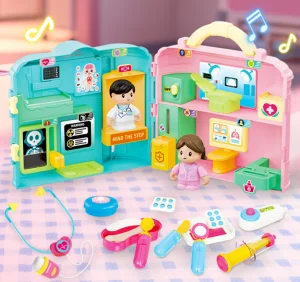
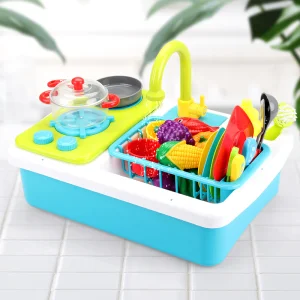
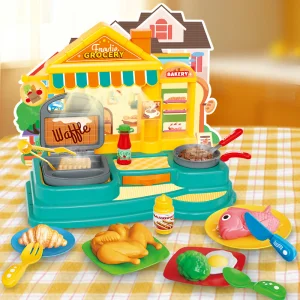
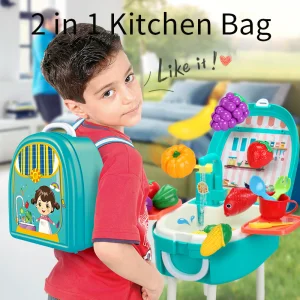
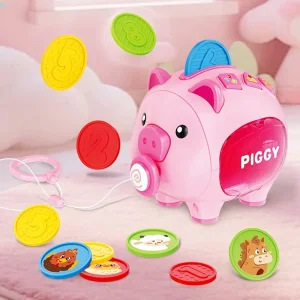
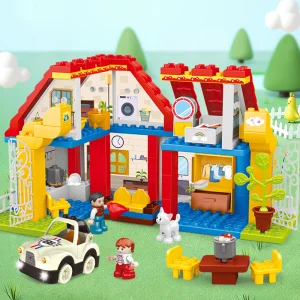
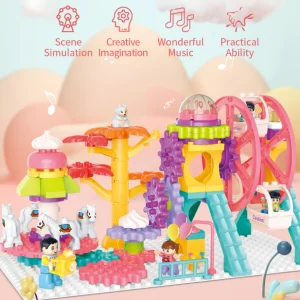
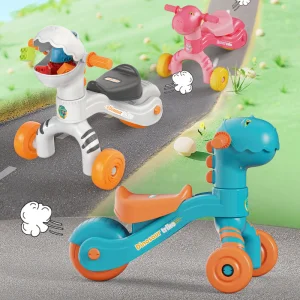
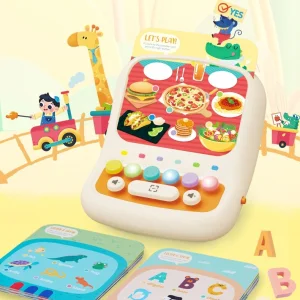
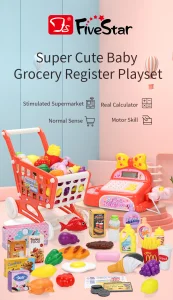
Five Star Toys manages four self-owned core brands: "Five Star Toy", "Ballie princess", "Beilexing", and "Duoqile". Our primary product portfolio spans interactive rattles, play houses, simulated cash registers, logic learning systems, and specialized baby developmental products. Highly regarded by international standards organizations for outstanding quality, Five Star Toys remains strongly committed to building a high-value "Made in China" brand.
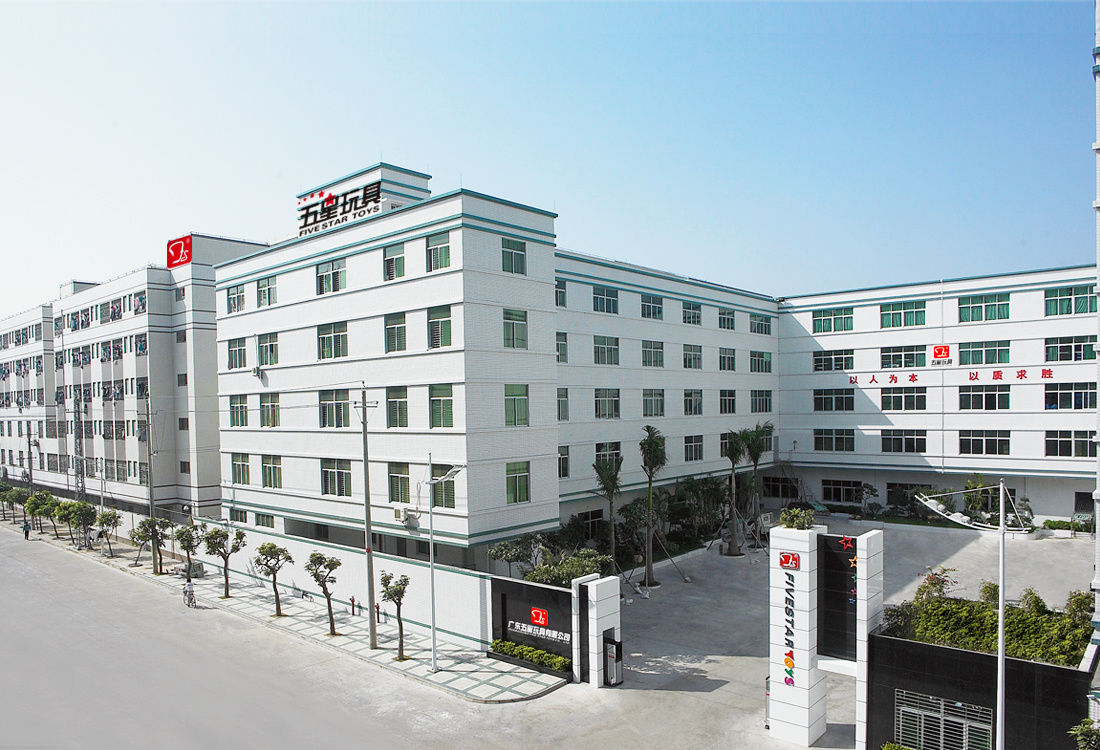
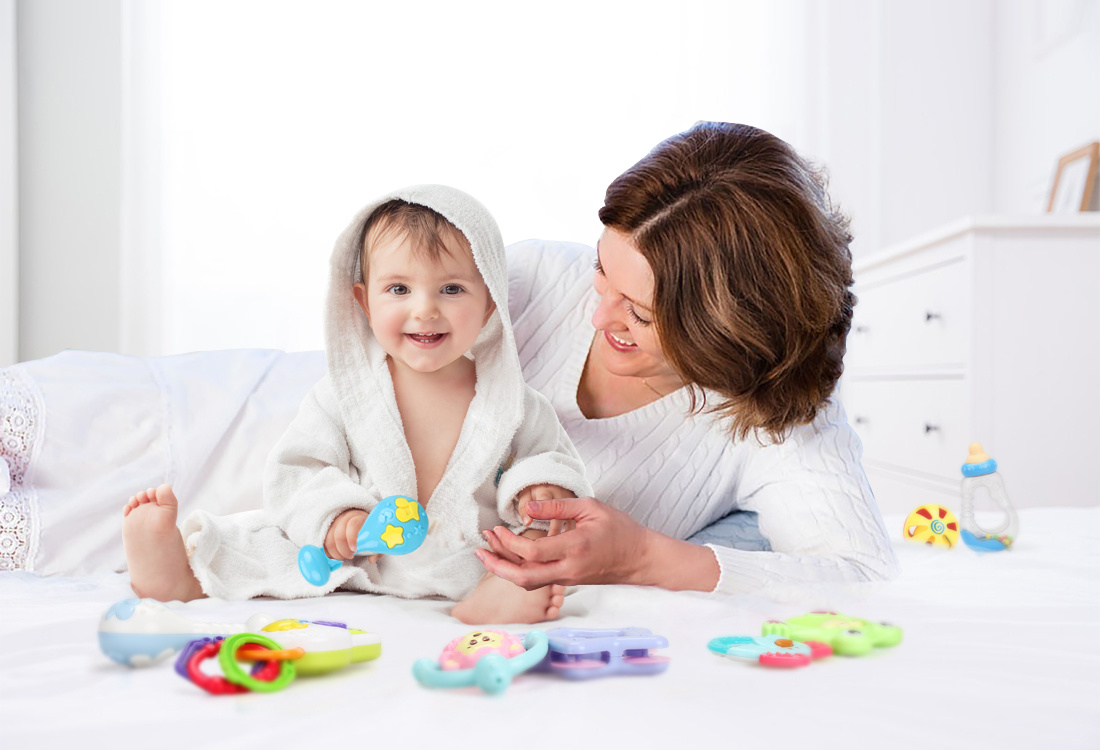
Five-star toys has insisted our brand concept with strict standards for years, which is "Produce toys like producing food". Our toys are not just simple playthings, but precision-engineered tools designed to arouse children's curiosity, explore child imagination, promote child hand-eye-brain all-round development, and accompany children through every critical growth milestone.
By studying the physical and intellectual development of 0-6 year old babies at different growth stages, we develop products characterized by eco-friendly material selection, safe physical design, and rich educational functions. Treating each toy with food-grade purity standards ensures complete peace of mind for parents worldwide, fulfilling our ultimate goal to make Five Star Toys an indispensable part of children's lives.
★ Innovation & Continuous Improvement: Five Star advocates and encourages employees to be guided by the spirit of innovation, to have the courage to create, and to be willing to create. We value self-surpassing innovation to elevate our market competitiveness and achieve comprehensive, coordinated, and sustainable growth. Through teamwork and continuous challenge, we strive to exceed customer and partner expectations.
★ Customer-Oriented & Trustworthy Foundation: Being customer-oriented means fully understanding both explicit and potential market needs to deliver high-quality, ultra-safe products. We treat employees as our foundation, respect talent, and innovate across management, technology, and market systems to boost enterprise vitality. Earned social trust inside and outside the enterprise remains our most valued asset.
★ Client Comes First, Profit Second: In market economics, mutual trust between suppliers and distributors is paramount. In profit distribution, we prioritize customer interests first. If our products cannot create value and profitability for our retail and wholesale partners, long-term commercial success is impossible. Our core business philosophy places client interest first and factory profit second.

Advancing next-generation bio-based polymers, smart acoustic engineering, and antimicrobial matrix integrations.
Implementation of sugarcane-derived Polyethylene (Bio-PE) and Polylactic Acid (PLA) matrix blends, replacing conventional petroleum-based resins while maintaining 100% BPA/phthalate-free compliance and superior impact strength.
Integrating micro-encapsulated inorganic silver-ion additives directly into the injection molding phase. This inhibits bacterial colonization (E. coli, S. aureus) on toy surfaces by up to 99.9% without any chemical leaching during oral contact.
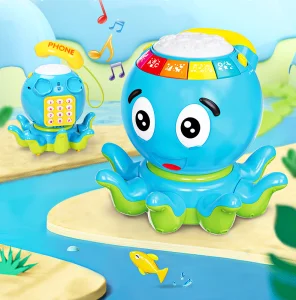
Incorporating smart sound-limiting micro-circuitry into interactive toys (such as electronic registers and musical crawling toys), restricting maximum acoustic output to under 65 dB at 5 cm distance to protect infant auditory development per EN 71-1 acoustic standards.
Designing complex multi-functional pretend play sets utilizing single-family polymer groups (e.g., all-PP structural and joint mechanisms) to enable zero-sorting, 100% direct recycling at end-of-life.
Tailoring technical specifications, regulatory documentation, and safety testing to regional market standards.
Regulatory Standard: CPSIA 2008, ASTM F963-17, FDA 21 CFR 177, California Proposition 65.
Technical Demands: Strict 90 ppm lead limit in surface coatings, zero phthalate content (<0.1% for 8 restricted phthalates), drop-test impact resistance from 4.5 feet, and bite-test simulation up to 50 lbs force without small part liberation.
Regulatory Standard: EU Toy Safety Directive 2009/48/EC, EN 71 (Parts 1, 2, 3, 9-11), REACH SVHC Candidate List, UKCA Mark.
Technical Demands: Migration limits for 19 heavy elements (including organic tin, aluminum, and nickel), total restriction of carcinogenic, mutagenic, or toxic for reproduction (CMR) substances, and eco-design packaging requirements.
Regulatory Standard: Japan ST Mark, China CCC (GB 6675), Middle East G-Mark (BD-131704-01), GCC Standardization Organization.
Technical Demands: Accelerated thermal aging and humidity deformation testing to ensure polymer integrity under high ambient heat, alongside strict localized acoustic and electrical safety certifications.
Key audit checkpoints for sourcing reliable BPA-free toy manufacturing partners.
When selecting a manufacturing partner for infant toy solutions, global brands must look beyond price per unit and conduct comprehensive factory audits across the following parameters:
Expert answers to common queries regarding BPA-free materials, testing standards, and OEM integration.
Innovative, non-toxic, and developmental product lines exported to nearly 100 countries worldwide.
 Five Star Toys