2026 How to Source Musical Toys for Global Buyers?

Time:2026-09-15 Author:Henry
0%

Sourcing Musical Toys for global buyers in 2026 requires more than comparing factory quotations. Buyers must connect market evidence, child-development value, product safety, and dependable supply. Circana’s 2024 Global Toy Industry Report showed uneven regional performance, reflecting cautious household spending and changing retail demand. Euromonitor International’s Toys and Games research also highlights e-commerce growth, product differentiation, and premium features as important competitive factors.

Demand is uneven. Musical Toys now range from simple rattles and electronic keyboards to coded learning instruments, karaoke sets, and interactive play systems. Each category attracts different age groups, price points, and compliance responsibilities. A piano with bright keys may sell well online, but its battery compartment, sound level, materials, and packaging require careful evaluation. The Toy Association’s industry guidance continues to emphasize age grading, testing, and responsible design. Relevant buyers should also review applicable standards, including EN 71, ASTM F963, CPSIA requirements, and regional chemical restrictions.

Reliable sourcing begins with evidence. Request test reports, material declarations, factory audit records, sample approval documents, and production traceability. Compare not only unit price, but also minimum order quantity, tooling costs, lead time, defect controls, and after-sales support. A spreadsheet may look complete. It rarely is. Samples can expose loose wires, unclear instructions, weak switches, or unpleasant sound levels within minutes. Experienced buyers should test products in realistic conditions, including shipping vibration and repeated button use. Details matter.

This guide explores supplier selection, product development, quality assurance, compliance preparation, and global logistics for 2026. It also questions common assumptions, because the cheapest offer can become the most expensive decision after delays, returns, or reputational damage. Credible sourcing is not simply about finding products. It is about building verifiable trust.
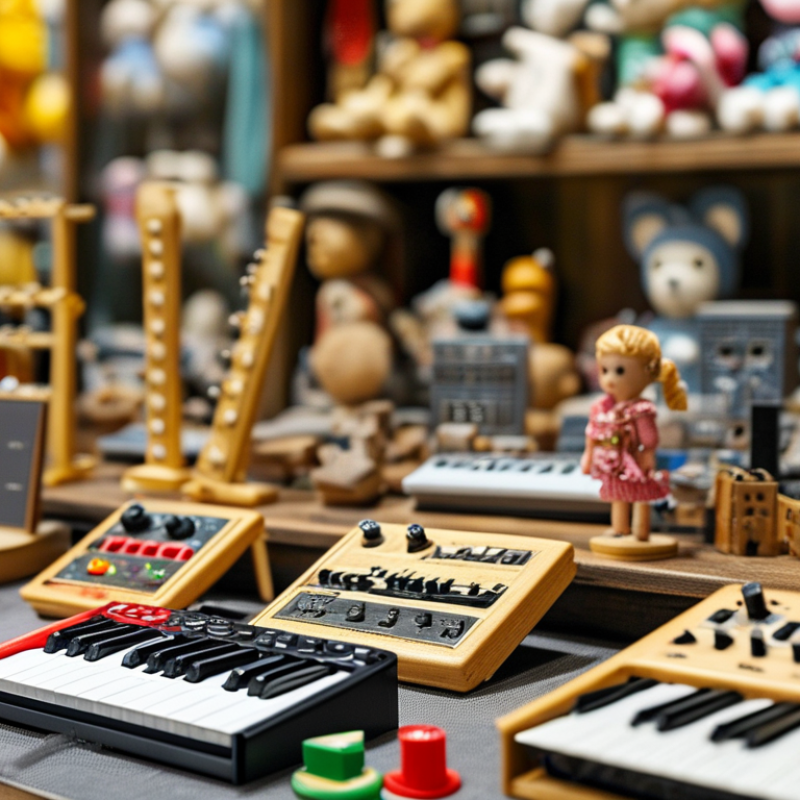
2026 How to Source Musical Toys for Global Buyers?

Define Musical Toy Categories and Target Global Markets

How to Source Musical Toys for Global Buyers?

Defining the product category is the first sourcing decision.

Musical toys may include rattles, percussion sets, pull-string toys, sound books, toy keyboards, and electronic instruments. Each category serves a different age group and buying purpose. A soft rattle suits infant gifting, while a rhythm set may fit preschool learning. Electronic toys need closer checks for battery safety, volume control, and durability. The category should match the child’s development stage, not only the product’s appearance.

Target markets also require practical research.

Parents in urban markets may prefer compact toys with educational value. Gift buyers may choose colorful sets with strong packaging. Some regions favor traditional sounds, while others prefer simple melodies and bilingual instructions. Compare retail prices, climate conditions, shipping size, and buyer reviews before requesting large quantities. Confirm age grading, material details, warnings, and local testing requirements with qualified suppliers and independent laboratories. I once treated a “universal” design as suitable everywhere. It was not. Packaging language and sound preferences changed the result.

Tips: Request samples from several suppliers. Test buttons, seams, speakers, and batteries repeatedly. Record sound levels and play cycles. Ask for recent test reports, production photos, and carton measurements. A small pilot order is safer than a confident forecast. Review customer feedback after launch, then adjust colors, sounds, or accessories. Some decisions will still be imperfect. That is normal.

Set Product, Safety, Quality, and Compliance Requirements

Global buyers should set product requirements before comparing musical toy suppliers. Define the age grade, play functions, materials, dimensions, sound range, and power source. Musical toys need special attention to speakers, buttons, wiring, and battery compartments. Small detachable parts can create choking risks. Loose battery covers can create serious hazards. The U.S. Consumer Product Safety Commission reported an estimated 231,000 toy-related emergency department injuries among children under 15 in 2023. Its 2023 Toy-Related Injuries and Deaths report also recorded ten toy-related child deaths. These figures make basic design reviews essential.

Quality requirements should be measurable and repeatable. Request material declarations, production samples, inspection records, and batch traceability. Test sound output, battery life, drop resistance, button strength, and corrosion resistance. Use a documented sampling plan, such as an agreed AQL level, rather than visual judgment alone. For target markets, map relevant requirements to standards such as ASTM F963, EN 71, or ISO 8124. Electronic products may also require chemical, electromagnetic, and battery-related evaluations. A certificate alone is not proof. This is where many sourcing plans become too optimistic.

Tips: Build a market matrix before placing an order. Ask an accredited laboratory to test production samples, not only prototypes. Check warnings in the destination language. Keep one sealed reference sample from every approved batch. Recheck requirements when designs change. A rushed checklist can still miss a loud speaker or weak battery door. That uncomfortable gap deserves review.

2026 How to Source Musical Toys for Global Buyers? - Set Product, Safety, Quality, and Compliance Requirements
Dimension Buyer Requirement Recommended Specification or Control Point Verification Evidence Primary Market Reference
1. Product Definition Define the toy category and intended use Specify whether the item is a rattling instrument, electronic sound toy, rhythm toy, pretend-play instrument, or educational musical set. State the intended age range, user skill level, play environment, and whether batteries are required.
  • Approved product brief
  • Technical drawings and bill of materials
  • Age-grade rationale
  • Final product photographs
All markets
2. Age Grading Match design features to the declared age group Use a documented age-grading process. Avoid small detachable parts, accessible button batteries, sharp edges, long cords, and fragile components in products intended for children under 3 years.
  • Age-determination assessment
  • Small-parts evaluation
  • Use-and-abuse test results
  • Warnings and age labels
ASTM F963 EN 71 ISO 8124
3. Mechanical Safety Prevent injury from breakage, entrapment, or detachment Round or protect accessible edges and corners. Secure handles, keys, drum heads, strings, decorative parts, and battery covers. The assembled toy should withstand foreseeable drops, tension, torque, impact, and compression during normal play.
  • Mechanical safety test report
  • Drop and impact records
  • Torque and tension results
  • Pre-production sample approval
ASTM F963 EN 71-1 ISO 8124-1
4. Sound Output Control acoustic and electronic sound exposure Set a maximum volume level for electronic products and review the sound profile of whistles, horns, rattles, drums, and other acoustic toys. Avoid unexpectedly loud impulses and provide a volume-control or sound-limiting design where practical.
  • Sound-pressure measurement report
  • Maximum-volume setting record
  • Audio sample approval
  • Instruction manual and warning review
Market-specific toy rules Buyer safety specification
5. Battery Safety Protect children from battery access and misuse Use a secure battery compartment requiring a tool or two independent movements to open when required by the destination market. Prevent access to button or coin cells and include correct polarity markings, battery type, and disposal information.
  • Battery-compartment inspection
  • Abuse and accessibility test
  • Battery specification sheet
  • Warning-label artwork
CPSIA ASTM F963 EN 62115 Button-cell requirements
6. Electrical Safety Ensure safe operation of powered musical toys Insulate wiring, protect solder joints, control heat generation, prevent access to live parts, and design the toy to operate safely at the stated voltage. USB charging products should include suitable charging protection and clear instructions.
  • Electrical safety test report
  • PCB and wiring inspection
  • Charging and overheating evaluation
  • Rated-voltage confirmation
EN 62115 IEC-based requirements Destination-market rules
7. Chemical Compliance Control restricted substances in all accessible materials Screen plastics, coatings, inks, adhesives, textiles, metals, and electronic components for restricted substances. Pay particular attention to heavy metals, phthalates, formaldehyde where applicable, azo colorants, and substances of very high concern.
  • Material declaration
  • Supplier chemical compliance statement
  • Third-party chemical test report
  • Updated bill of materials
CPSIA REACH RoHS EN 71-3
8. Flammability Limit ignition and flame spread risks Assess plush, textile, foam, paper, wood finishes, cords, and plastic parts according to the product construction and destination market. Do not add flame-retardant chemicals without verifying their legal and safety status.
  • Flammability test report
  • Textile and foam material records
  • Coating and treatment declaration
  • Production-lot traceability
ASTM F963 EN 71-2 ISO 8124-2
9. Material and Finish Quality Maintain consistent appearance and durability Define acceptable limits for color variation, gloss, paint coverage, printing alignment, burrs, sink marks, mold flash, odor, loose threads, and surface contamination. Use child-safe coatings with adequate adhesion and abrasion resistance.
  • Golden sample
  • Color standard and inspection board
  • Coating adhesion check
  • Visual defect limit sheet
Buyer quality standard
10. Musical Performance Deliver reliable sound and usable play functions Define acceptable pitch, tone, rhythm response, key sensitivity, tuning range, volume range, latency, battery duration, and switch performance. For non-electronic instruments, specify functional sound output and tuning tolerance where relevant.
  • Functional test checklist
  • Audio or tuning reference sample
  • Battery-life test
  • Key, button, and switch cycle test
Product specification
11. Packaging and Choking Risk Make packaging safe and suitable for retail handling Prevent hazardous plastic film, loose ties, staples, sharp packaging edges, and detachable packaging parts. Keep small accessories separated and clearly identify their intended age range.
  • Packaging structure drawing
  • Packaging safety inspection
  • Transit drop test
  • Retail pack approval
ASTM F963 EN 71-1 ISO 8124-1
12. Labeling and Instructions Provide accurate, durable, market-appropriate information Include age grading, required warnings, manufacturer or responsible-party information where applicable, country-of-origin information where required, battery instructions, care instructions, and safe-use guidance in the destination language.
  • Final artwork files
  • Label durability check
  • Translation review
  • Regulatory label checklist
CPSIA EU Toy Safety rules Local labeling laws
13. Documentation Package Maintain technical evidence for each SKU Prepare a controlled technical file containing the bill of materials, drawings, risk assessment, test reports, declarations, label artwork, user instructions, supplier records, and production inspection results.
  • Technical file index
  • Declaration of conformity where applicable
  • Risk assessment
  • Change-control log
EU conformity framework US compliance records Buyer audit requirements
14. Supplier Qualification Approve production capability before placing volume orders Evaluate quality systems, testing access, molding and assembly capability, electrical controls, material traceability, social-compliance practices, capacity, lead time, and experience with the destination market.
  • Factory capability questionnaire
  • On-site or remote audit
  • Process flow chart
  • Capacity and lead-time review
Sourcing due diligence
15. Quality-Control Plan Inspect products at defined production stages Use incoming-material inspection, first-article approval, in-process checks, pre-shipment inspection, and production-lot sampling. Define critical, major, and minor defects before manufacturing begins.
  • Inspection standard
  • Approved limit samples
  • Sampling plan
  • Corrective-action records
ISO 2859-1 sampling
16. Traceability and Change Control Control changes to materials, components, software, and processes Assign SKU, batch, date, and component records. Require written approval before changing resin, paint, battery, speaker, PCB, packaging, tooling, subcontractor, or manufacturing location.
  • Batch and lot coding
  • Supplier change notification
  • Re-test decision record
  • Retention samples
Quality and compliance control
17. Logistics and Storage Protect products during transport and warehousing Define carton strength, palletization, humidity protection, temperature limits, battery shipping controls, and carton drop requirements. Confirm that product packaging remains intact after representative transit testing.
  • Carton specification
  • Transit simulation report
  • Container loading plan
  • Warehouse handling instructions
Buyer logistics specification
18. Final Go-to-Market Gate Release only after product, safety, quality, and compliance approval Confirm that the production sample matches the tested sample, all required documents are complete, labels are correct, open defects are closed, and destination-market requirements have been reviewed before shipment.
  • Pre-shipment release checklist
  • Final inspection report
  • Compliance approval record
  • Approved commercial sample
Global buyer approval gate

Evaluate Suppliers, Factories, Materials, and Production Capabilities

2026 How to Source Musical Toys for Global Buyers?

Evaluate Suppliers, Factories, Materials, and Production Capabilities

Sourcing musical toys in 2026 requires more than comparing quotations. A supplier should show verifiable production records, testing documents, and stable communication. Ask for factory registration, audit dates, monthly output, and corrective-action reports. Visit the assembly floor when possible. Observe how workers check sound modules, battery doors, stitching, and small attachments. Photos can hide problems. A live video audit is useful, but it cannot replace onsite inspection. An early supplier review may focus too heavily on price. That mistake can delay sampling by several weeks.

Evaluate the factory’s real production capabilities, not its sales presentation. Request samples from normal production lines, rather than special showroom batches. Check molding consistency, speaker volume, button response, paint adhesion, and seam strength. Ask whether tooling is owned, rented, or shared. Confirm that the factory can manage pilot orders and seasonal volume without changing materials. A capacity plan should include machines, shifts, skilled operators, and backup processes. Numbers matter. Still, capacity claims need evidence from production records.

Material selection affects safety, sound quality, and repeatability. Request specifications for plastics, coatings, fabrics, magnets, wires, and electronic components. Prefer traceable, child-appropriate materials with consistent documentation. Confirm that batteries are secured and inaccessible without a tool. Review age grading, labeling, and independent test results for each target market. Do not accept one generic report for every variation. Colors and sound modules can change test outcomes. I still allow room for human error. Add incoming inspections, pre-shipment checks, and written defect limits to the agreement.

Compare Pricing, Minimum Orders, Samples, and Customization Options

2026 How to Source Musical Toys for Global Buyers?

Pricing is only one part of a reliable sourcing decision. Ask suppliers for item cost, packaging, tooling, testing, and shipping separately. A low unit price may hide expensive molds or unsuitable packaging. For example, a small melody toy can cost more when buyers request thicker plastic and individual color boxes. Compare quotes using the same quantity and specifications. Keep every change in writing.

Minimum orders often vary by color, sound module, and printed package. One supplier may accept 500 pieces, while another requires 2,000 units per design. Ask whether mixed colors count toward the minimum. This detail can protect cash flow for a cautious first order. Samples deserve equal attention. Request a pre-production sample, not only a catalog piece. Check volume, button response, battery access, surface finish, and sound clarity. Test the toy after repeated use. Small problems appear late.

Customization can include melodies, casing colors, logos, packaging, and language labels. Confirm mold ownership, revision costs, and production time before approving artwork. I once treated a digital sample as final evidence; that was a weak assumption. The physical sample revealed a loose battery cover. Ask for material details and applicable safety test reports for your destination markets. Reliable suppliers explain limits instead of promising everything. Still, buyers should verify documents independently and record sample approvals before mass production.

2026 How to Source Musical Toys for Global Buyers?

Comparison of indicative wholesale pricing, minimum orders, samples, and customization lead times.

The chart uses a 0–100 benchmark index within each sourcing dimension. Hover over each bar to view the underlying market benchmark. Figures are representative 2026 planning ranges for export-oriented buyers and exclude freight, duties, testing, and tooling charges.

Product Type Wholesale Price Typical MOQ Sample Cost Customization Lead Time Typical Options
Musical Plush Toy US$5.50 500 units US$25 35 days Sound module, fabric, label, packaging
Pull-String Music Box US$3.75 300 units US$20 25 days Melody, artwork, box, pull-cord color
Electronic Keyboard US$14.00 200 units US$45 45 days Sound library, color, buttons, packaging
Musical Rattle US$2.75 1,000 units US$15 20 days Color, logo, card, retail packaging
Wooden Percussion Set US$6.50 300 units US$30 30 days Wood finish, engraving, instrument mix, box

Manage International Shipping, Documentation, and Long-Term Supply**

2026 How to Source Musical Toys for Global Buyers?

Manage International Shipping, Documentation, and Long-Term Supply

Sourcing musical toys for global buyers requires more than checking sound quality and unit prices. I have learned to inspect samples with fresh batteries, loose-part checks, and repeated button tests. A toy may perform well once, then fail after a week of daily use. That weakness matters during international distribution.

Shipping plans should match the product’s real condition. Battery-powered toys need accurate battery details, secure packaging, and clear handling instructions. Export documents should describe the product, materials, quantity, value, and destination correctly. Product testing reports, invoices, packing lists, and transport documents must use consistent information. Small errors can delay a container.

Documentation needs careful review.

Long-term supply depends on more than a low first quotation. Buyers should confirm production capacity, replacement-part access, quality inspection steps, and communication procedures. I also recommend a written approval sample before mass production. My early cost estimates were too optimistic when freight rates changed suddenly. Now, I keep a reasonable buffer for seasonal delays, port congestion, and packaging adjustments. It is not perfect, but it is more realistic. Regular factory audits and batch inspections can reveal sound changes, stitching faults, or missing instructions before shipment. Steady communication builds trust, although rushed decisions still create avoidable problems.

FAQS

What product details should global buyers define before sourcing musical toys?

Set the age grade, functions, materials, dimensions, sound range, and power source. Small parts need careful review. Battery compartments must close securely. Do not rely on appearance alone.

Which safety points require special attention?

Check speakers, buttons, wiring, and battery doors. Test for loose parts and choking risks. Drop the toy repeatedly. Then inspect it again.

How can buyers measure product quality consistently?

Request production samples, material declarations, inspection records, and batch traceability. Test sound output, battery life, button strength, and corrosion resistance. Use a written sampling plan. Visual checks are not enough.

Should buyers test prototypes or production samples?

Test production samples from approved batches. Prototypes may not match mass-produced toys. Keep one sealed reference sample. This protects later comparisons.

How should buyers review destination-market requirements?

Build a market requirements matrix before ordering. Map safety, chemical, electrical, and battery requirements. Check warnings in the destination language. Requirements can change after a design update.

What shipping documents should accompany musical toys?

Prepare accurate product descriptions, material details, quantities, values, and destinations. Keep invoices, packing lists, testing reports, and transport documents consistent. Small errors can delay shipment. Documentation needs careful review.

How should battery-powered toys be prepared for international shipping?

Provide accurate battery information and secure packaging. Include clear handling instructions. Inspect battery doors before packing. A weak cover can create serious hazards.

What should buyers assess beyond the first quotation?

Review production capacity, replacement-part access, inspections, and communication procedures. Approve a written sample before mass production. Keep a buffer for seasonal delays and freight changes. My early estimates were too optimistic.

How can buyers maintain quality during long-term supply?

Use regular factory audits and batch inspections. Check sound changes, stitching faults, missing instructions, and packaging adjustments. Record corrective actions clearly. Rushed decisions still cause avoidable problems.

Conclusion

Sourcing Musical Toys for global buyers requires a structured approach from product planning to long-term delivery. Begin by defining the toy category, age range, functions, design style, and target markets. Different regions may have distinct customer preferences, safety expectations, labeling rules, and packaging requirements, so buyers should establish clear product, material, quality, testing, and compliance standards before contacting suppliers.

Next, evaluate factories according to their experience, production capacity, material control, quality systems, and ability to support reliable customization. Compare quotations by considering unit price, minimum order quantity, sample fees, tooling, packaging, and production timelines rather than focusing only on the lowest offer. Before placing an order, confirm sample quality and inspection procedures. Finally, plan international shipping, export documents, labeling, packaging protection, customs information, and delivery schedules carefully. Clear communication, consistent quality checks, and transparent agreements can help buyers build stable supply relationships and reduce risks in global Musical Toys procurement.

Henry

Henry

Henry is a dedicated marketing professional with a profound expertise in the company's offerings. With years of experience in the industry, he possesses an impressive understanding of the market dynamics and consumer behaviors that drive success. Henry is committed to sharing his insights through......