Choosing Educational Toys for global markets requires more than translating packaging or changing a character’s clothing. It requires observing how children play, learn, communicate, and solve problems in different communities. A puzzle that feels intuitive in one country may confuse children elsewhere because its colors, symbols, or instructions carry different meanings.
Developmental psychologist Kathy Hirsh-Pasek has said, “Play is not the opposite of learning; it is the engine of learning.” This principle should guide every international product decision. A successful toy must invite curiosity while supporting clear developmental goals, such as language growth, fine-motor control, cooperation, or early problem-solving.
Start with the child’s real environment. Will the toy be used on a classroom table, a small apartment floor, or outdoors? Can parents understand the instructions quickly? Are the materials durable enough for repeated handling? These details reveal whether an Educational Toys product is genuinely useful or merely attractive in a catalog.
Global buyers also expect strong evidence. Manufacturers should combine child-development research, age-appropriate testing, teacher feedback, and reliable quality procedures. Safety requirements must be checked for each target market, rather than assumed to be identical. Accessibility deserves equal attention, including tactile elements, readable text, and flexible play methods.
No checklist works everywhere. Even careful teams can overlook a cultural signal or underestimate local price sensitivity. That weakness should remain visible during planning. Small pilot studies, local educators, and honest user feedback can expose problems before a broad launch. The best Educational Toys are not designed for an imaginary global child. They are refined with real children, families, and educators in mind.
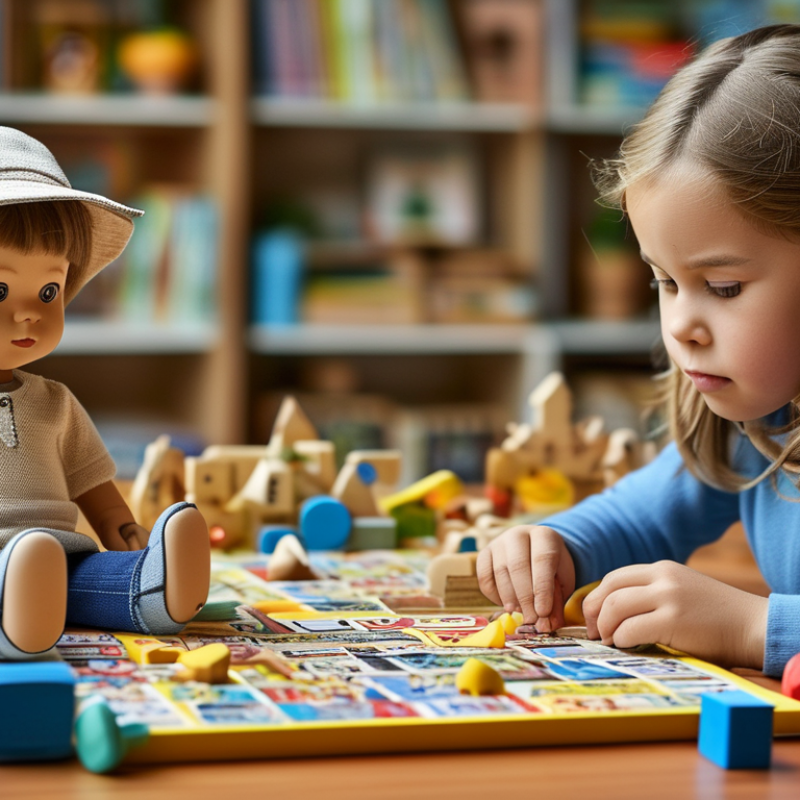
How to Choose Educational Toys for Global Markets?
Understanding Educational Toy Needs Across Global Markets requires more than translating packaging. Children learn through different languages, routines, spaces, and cultural expectations. A puzzle for a small apartment should need less storage than a classroom activity set. A rainy region may favor indoor construction play, while warmer markets may prefer durable outdoor materials. Age recommendations, reading direction, and familiar stories also influence engagement.
My experience with educational product research shows that local observation is essential. Speak with teachers, caregivers, and child-development specialists before selecting a toy. Watch how children hold pieces, share materials, and respond to instructions. A brightly colored toy can still fail if its controls are confusing. This is where product teams often need more humility. Adult assumptions are not evidence. Test prototypes with diverse children, then record mistakes instead of hiding them.
Tips: Check language clarity, fine-motor demands, cleaning needs, and storage space. Use independent safety testing and review the applicable requirements in each target market. Avoid tiny detachable parts when the age group creates a foreseeable swallowing risk. Choose materials that tolerate repeated handling, temperature changes, and regular cleaning. Packaging should show clear age guidance and simple visual instructions. Local educators can also identify cultural references that may confuse or exclude children. Keep feedback measurable: completion time, repeated use, frustration points, and cooperative behavior. Small details matter.
Learning poverty measures the share of children who cannot read and understand a simple age-appropriate text by age 10. Markets with higher learning-poverty rates may benefit from educational toys that emphasize foundational reading, language development, numeracy, and guided parent-child interaction.
Source: World Bank, “Ending Learning Poverty” regional estimates based on available pre-COVID-19 data, primarily from 2019. Values represent the estimated percentage of children unable to read and understand a simple text by age 10.
Choosing educational toys for global markets requires more than translating packaging. Age, learning goals, safety controls, and cultural fit must work together. Start with a clear age range, not a broad label. Observe how children actually hold, sort, build, and react to the toy. A puzzle for three-year-olds should match their grip, attention span, and problem-solving abilities. It should also offer a realistic level of challenge. Too easy becomes boring. Too difficult creates frustration.
Learning value needs visible evidence. A counting toy should encourage counting, comparison, or simple patterns. A language-based toy may need adaptable words, sounds, or symbols for different regions. Test prototypes with children, educators, and caregivers from the target market. Their feedback can reveal confusing pictures or unfamiliar daily situations. Small details matter. A food image, family scene, or color choice may carry different meanings across cultures. Cultural review should involve local voices, not assumptions made from a distance.
Safety requires careful documentation and repeated checks. Review small parts, sharp edges, material quality, magnets, batteries, and accessible fasteners. Confirm that testing matches the destination market’s current requirements. Packaging should show clear age guidance and practical warnings in the local language. I have seen teams focus heavily on learning features while treating safety text as an afterthought. That is a mistake. Even careful teams miss something. Recheck translations, instructions, and cleaning guidance with independent reviewers. A toy can be educational, attractive, and technically compliant, yet still fail if families cannot use it confidently.
Choosing educational toys for global markets requires more than translating packaging. Materials, design, accessibility, and local standards must work together. ISO 8124, ASTM F963, and EN 71 address hazards such as small parts, sharp edges, flammability, and chemical migration. Requirements still vary by market. A material approved in one region may need additional testing elsewhere. That gap is easy to underestimate.
Material selection should include traceable plastics, water-based coatings, and clearly documented additives. Independent laboratory reports are essential, not decorative paperwork. The World Health Organization and UNICEF estimate that nearly 240 million children live with disabilities worldwide. This figure supports inclusive design, including high-contrast colors, tactile surfaces, larger grips, and instructions using simple language. Avoid relying only on visual learning. Some children need sound, texture, repetition, or quiet play options.
Design teams should test prototypes with children from different abilities and cultural settings. A puzzle with tiny pieces may look educational, yet it can exclude children with limited motor control. Local age labels, warning symbols, language rules, and recycling requirements also deserve early review. The European Commission’s Safety Gate reports regularly identify unsafe consumer products, showing why post-launch monitoring matters. A common weakness is treating compliance as a final checklist. It is not. Teams can still miss regional expectations, especially when suppliers change materials quietly. Better records, repeated testing, and honest user feedback reduce that risk.
Educational systems also shape how children learn. Some classrooms reward independent discovery, while others emphasize guided practice and repetition. A puzzle designed for open exploration may need teacher-led instructions in another market. Consult local educators, child development specialists, and language reviewers before final production. Test the toy with small groups in real classrooms, not only in offices. Watch where children hesitate. Their silence often reveals more than a survey.
Cultural adaptation requires careful judgment. A story character should feel familiar without copying stereotypes. Visual details matter, including clothing, family roles, classroom layouts, and reading direction. Safety labels, age guidance, and accessibility features must match local requirements and real household conditions. Our first test may appear successful, yet children could still lose interest after ten minutes. That result deserves revision, not excuses. A fluent translation can still sound unnatural. Local children should help shape the final version.
Choosing educational toys for global markets starts with evidence, not translation. Test one learning promise with parents, teachers, and children in each target market. A sorting game may suit preschool classrooms in Seoul but feel repetitive in Nairobi. Observe completion time, adult assistance, and repeat play. Children notice delay. Surveys can mislead when respondents praise “educational” features without buying intent. Circana’s 2024 global toy analysis reported a 7% decline in worldwide toy sales during 2023, making weak demand signals expensive.
Compliance must be tested before purchase orders. Map age grading, small-part risks, material restrictions, warnings, documentation, and language rules for every destination. The European Commission’s 2024 Safety Gate report listed toys among frequently notified product categories, highlighting the need for traceable testing. In the United States, children’s products require third-party testing for applicable safety rules under Consumer Product Safety Commission oversight. Keep batch records, supplier declarations, and laboratory reports together. Paperwork is product design. A prototype passing one jurisdiction may still fail labeling or chemical requirements elsewhere. That gap needs budget.
Price from the shelf backward. Include testing, localization, duties, returns, marketplace fees, and damaged inventory. The World Bank’s 2023 Logistics Performance Index shows that delivery performance varies sharply across economies. Identical packaging cannot guarantee identical margins. Trial two price points, then compare conversion, refunds, and classroom reorders. Distribution readiness means more than finding a wholesaler. Cartons must survive humidity, labels must scan, and replacement parts must remain available. Forecasts are often optimistic. Keep the first launch small, record exceptions, and revise before scaling.
: Children learn through different languages, routines, spaces, and classroom expectations. Speak with teachers, caregivers, and child-development specialists. Watch how children hold pieces, share materials, and follow instructions. Adult assumptions are not evidence.
Consider storage space, climate, cleaning routines, and indoor or outdoor use. A small apartment may need a compact puzzle with few loose pieces. A rainy region may prefer sturdy indoor construction play. Space changes play.
Use simple local vocabulary and short, clear instructions. Audio prompts should sound slow and natural. Translate examples using familiar objects from daily life. A fluent translation can still sound unnatural.
Review colors, gestures, stories, clothing, family roles, and classroom layouts. Avoid references that may confuse or exclude children. A counting game using unfamiliar coins may fail quickly. Local children should help shape the final version.
Some classrooms encourage independent discovery. Others use guided practice and repetition. Test the toy with teachers in real classrooms, not only offices. A puzzle may need teacher-led instructions in one market.
Follow applicable requirements in each target market. Use independent safety testing and clear age guidance. Avoid tiny detachable parts when children may swallow them. Choose materials that tolerate handling, temperature changes, and regular cleaning.
Test prototypes with diverse children in realistic settings. Record completion time, repeated use, frustration points, and cooperative behavior. Watch hesitation and silence, because surveys may miss both. Test, then revise.
A bright color scheme does not fix confusing controls. A successful ten-minute test may hide later boredom. Teams may miss an unfamiliar cultural reference. That result deserves revision, not excuses.
Choosing Educational Toys for global markets requires more than simply translating packaging or changing colors. The process begins with understanding the needs of children, parents, and educators in each region. Products should be matched to appropriate age groups, learning goals, developmental stages, safety expectations, and cultural preferences. Designers must also evaluate materials, durability, accessibility, usability, and local product standards to create toys that are safe, inclusive, and suitable for everyday learning.
Successful international adaptation may involve adjusting language, symbols, storytelling, instructions, and activities to fit local cultures and educational systems while preserving the toy’s core learning value. Before launch, manufacturers should test market fit through user feedback, classroom trials, and safety assessments. They should also review compliance requirements, pricing, packaging, retail channels, and distribution readiness. A thoughtful balance between educational quality, cultural relevance, affordability, and practical delivery can help Educational Toys serve diverse learners and achieve sustainable acceptance across different markets.

Five Star Toys