Explore our flagship OEM/ODM manufactured series engineered with strict compliance, eco-friendly materials, and cognitive development features for early childhood growth.
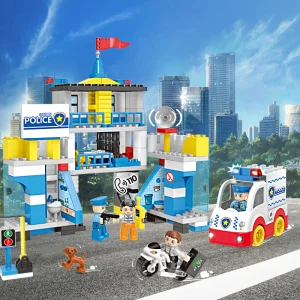
3817 Funny police station block
View Specifications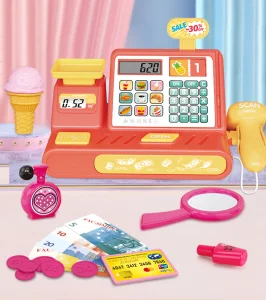
35622 Supermarket Register
View Specifications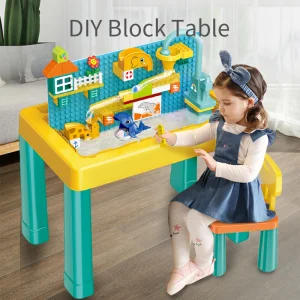
DIY Block Table
View Specifications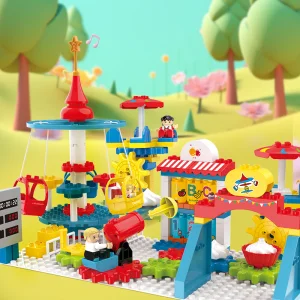
3822 Engineering Team
View Specifications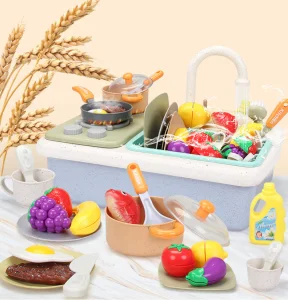
Wheat Straw Kitchen Set
View Specifications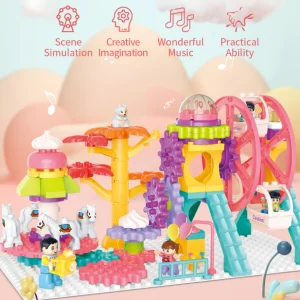
Happy Carnival blocks set
View Specifications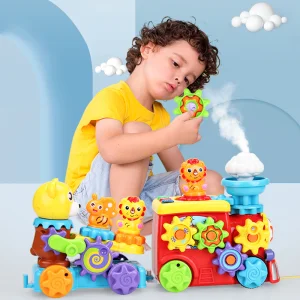
Cogwheel Train
View Specifications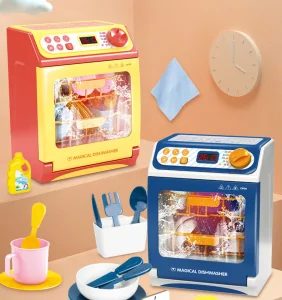
35952 Multifunctional Dishwasher
View SpecificationsThe global market for early childhood development products and infant toys has entered an unprecedented era of transformation. Modern parents and institutional buyers are no longer seeking merely decorative or simple playthings. Instead, the demand has shifted dramatically toward early educational utility, mechanical interaction, intelligent sensory feedback, and above all, absolute chemical and mechanical safety.
As international regulatory frameworks like EN71 in Europe, ASTM F963 in the United States, and ISO 8124 internationally become more rigorous, selecting a tier-one manufacturing partner is a critical strategic decision for global distributors, brand owners, and retail enterprises. The modern baby toy factory must operate not just as an assembly line, but as a full-stack integrated engineering solution provider—capable of taking raw conceptual sketches through precision injection molding, non-toxic pigment formulation, ultrasonic welding, and rigorous automated quality assurance.
Industry Insights: The global educational baby toy sector is projected to maintain a CAGR exceeding 6.8% through 2030. Key growth drivers include eco-conscious bio-plastics (such as wheat straw compounds), sensory development toys for ages 0–6, and multi-functional play setups that grow alongside the child's physical and intellectual development milestones.
In this comprehensive whitepaper, we analyze the architectural standards of premier toy manufacturing plants, evaluate the structural advantages of China's mega-manufacturing hubs, explore the technical roadmaps of eco-friendly toy tooling, and examine why top-tier suppliers like Five Star Toys lead the market in total manufacturing reliability.
Evaluating global manufacturing partners requires evaluating operational metrics across safety compliance, precision tooling, production scalability, and sustainable material supply lines.
Top factories enforce heavy metal migration controls, Zero Phthalate policies, and BPA-free polymers. Advanced injection protocols eliminate sharp edges and prevent small-part detachment risks.
Leading manufacturers maintain proprietary CAD/CAM mold-making facilities, enabling rapid prototyping, custom OEM designs, dynamic structural stress testing, and low-latency production rollout.
From raw material polymer synthesis to final retail-ready packaging and export logistics, top-tier factories utilize vertically integrated processes to minimize lead times and buffer material volatility.
Founded in 1995, Five Star Toys stands as a premier large-scale enterprise specialized in infant and toddler toys. Unifying research, developmental psychology, industrial design, automated production, and worldwide distribution, Five Star Toys has established an unmatched legacy over the past 33 years.
Core Mission Paradigm: "Producing toys like producing food." This foundational philosophy dictates that every piece of plastic, electronic module, and mechanical gear undergoes testing standards comparable to dietary consumable safety protocols.
By conducting deep observational studies on the physical and cognitive development of infants aged 0 to 6 years across distinct growth windows, Five Star Toys designs multi-functional products that stimulate hand-eye coordination, fine motor skills, spatial logic, and creative problem-solving.
The company operates and manages four internationally recognized self-owned brands: Five Star Toy, Ballie Princess, Beilexing, and Duoqile. Product categories span complex musical rattles, immersive role-play playhouses, interactive electronic cash registers, STEM block tables, and ergonomic baby fitness mats.
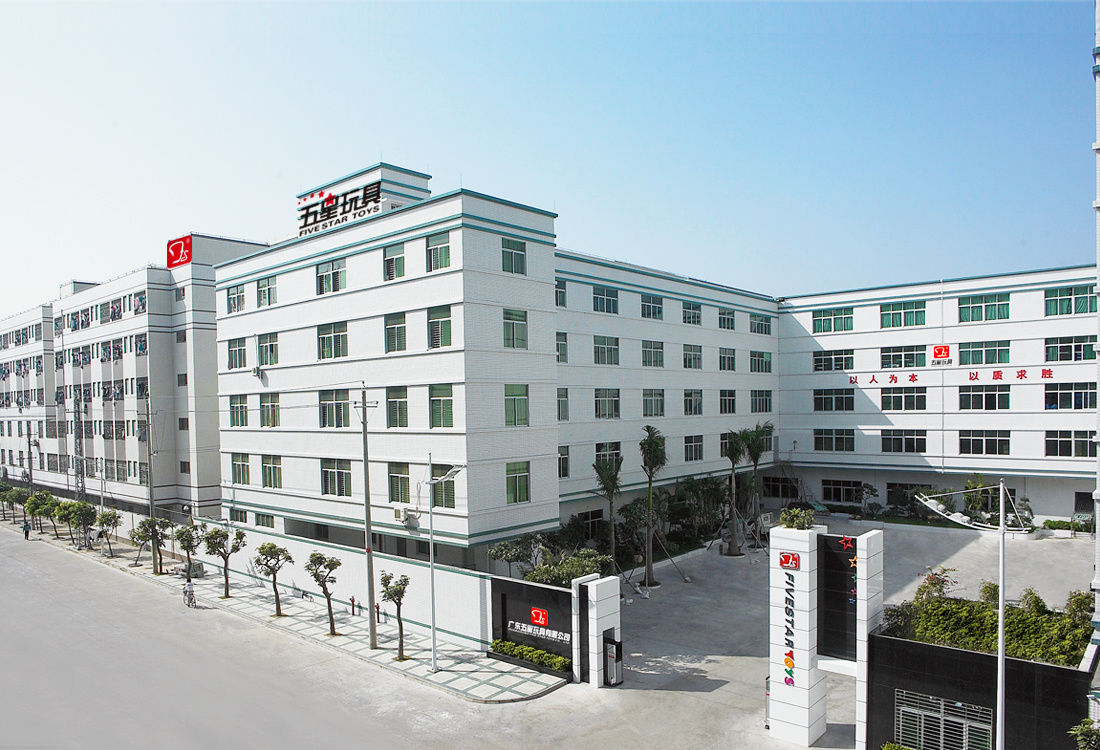
The global reliance on China's toy manufacturing ecosystems—specifically centralized industrial clusters such as Shantou, Chenghai, and broader Guangdong province—stems from unmatched structural efficiencies. China produces over 70% of the world's toys, sustained by localized component ecosystems that drastically reduce lead times from design validation to retail shipping.
| Manufacturing Dimension | Traditional Regional Suppliers | China Ecosystem (e.g., Five Star Toys) |
|---|---|---|
| Tooling & Mold Velocity | 8 to 14 Weeks average lead time | 2 to 4 Weeks via localized CNC & EDM clusters |
| Component Sourcing Depth | Fragmented cross-border sub-suppliers | 100% Localized within a 30-mile radius (micro-motors, sound chips, eco-pigments) |
| Regulatory Testing Agility | Outsourced secondary lab validation | Integrated CNAS-Accredited internal laboratories with real-time compliance audits |
| Scalability & Peak Capacity | Rigid batch limits during peak Q3/Q4 | Elastic Multi-Line Automation capable of expanding output 300% on demand |
This industrial synergy allows facilities like Five Star Toys to maintain absolute quality control over every link in the value chain. Exporting to nearly 100 countries and regions—including North America, the European Union, East Asia, and the Middle East—demonstrates the global market's trust in Chinese high-precision manufacturing.
The next decade of baby toy production belongs to smart factory automation, sustainable bio-plastics, and cognitive interactive engineering.
Pioneering the shift away from petrochemical plastics, Five Star Toys leverages natural bio-composite materials like wheat straw fiber (as seen in our Wheat Straw Kitchen Set), delivering biodegradable options without compromising structural durability or drop resistance.
Integrating low-power microcontrollers, decibel-capped acoustic chips (safeguarding infant auditory nerves), and optical motion sensors into products like the 35935 Sing & Go Ladybug to foster developmental milestones through sound, motion, and touch.
Utilizing robotic multi-axis injection molding machines equipped with real-time temperature and pressure monitoring to eliminate flash edges, structural micro-voids, and stress fractures in high-impact plastic toys.
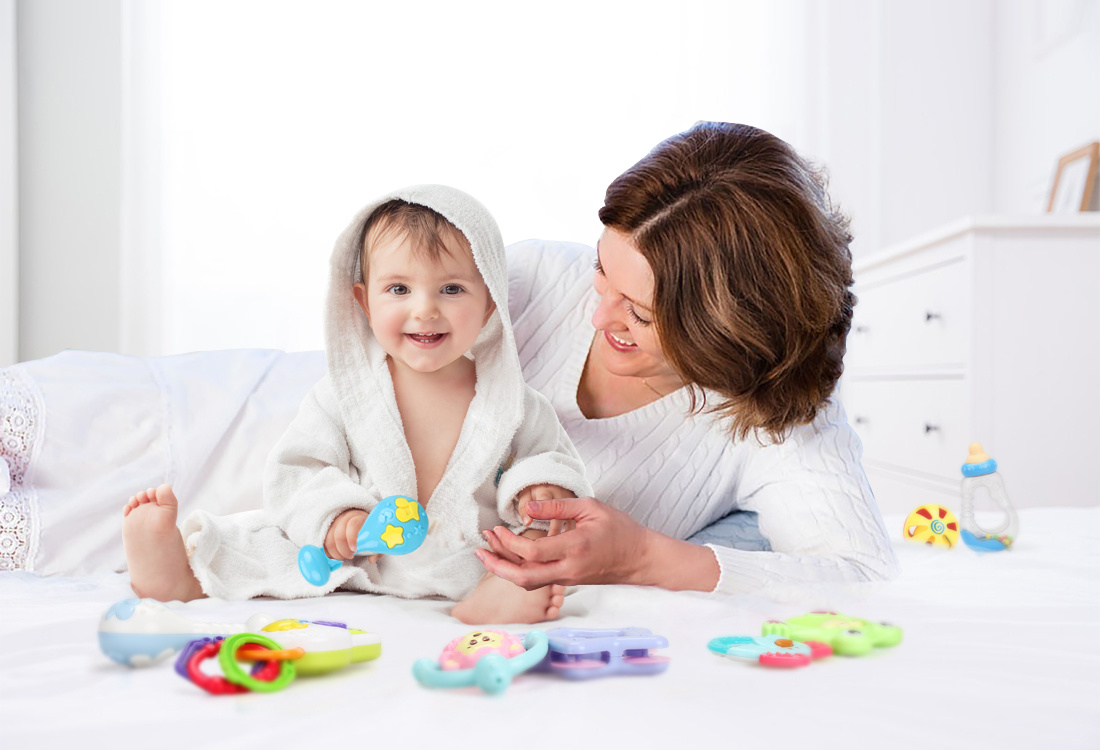
At Five Star Toys, our identity is shaped by a core conviction: "Produce toys like producing food." Toys are not merely physical objects; they are an infant's first tools for discovering the universe. They enter a child's mouth, test their dexterity, and spark their creative imagination during critical cognitive formation stages.
Culture of Innovation: We encourage our design engineers and technicians to embody a spirit of continuous self-surpassing. Through dynamic teamwork and management innovation, we constantly refine operational techniques to exceed global partner expectations.
A premier baby toy factory solutions provider must tailor its output to accommodate localized retail formats, cultural preferences, and regional regulatory environments. Five Star Toys provides specialized manufacturing channels suited for diverse B2B applications worldwide:
High-volume, retail-ready packaging with multi-lingual labelling (EN, FR, DE, ES, AR) engineered for immediate shelf placement in major big-box international retailers.
Heavy-duty, high-durability play tables (such as the DIY Block Table and High-Speed Railway Learning Table) built to withstand intensive daily institutional use.
Drop-test certified, compact packaging configurations optimized for automated logistics fulfillment, reduced volumetric shipping costs, and fast unboxing experiences.

Our zero-defect quality architecture ensures compliance across all international safety standard frameworks.
Comprehensive physical and mechanical hazards testing, total lead content analysis, phthalate concentration limits, and flammability safeguards.
Strict mechanical stress limits, flame spread rate prevention, and heavy metal element migration limits across 19 critical toxic substances.
Global harmonization standards covering sharp point/edge verification, acoustic decibel pressure testing, and bite-force integrity checks.
Discover additional high-margin, market-proven items from our global wholesale and OEM/ODM manufacturing portfolio.
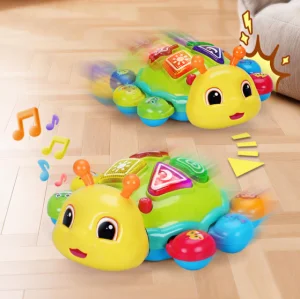
35935 Sing & Go Ladybug
View Specifications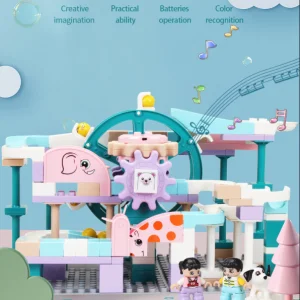
Fanstastic Slideway Ferris Wheel Blocks
View Specifications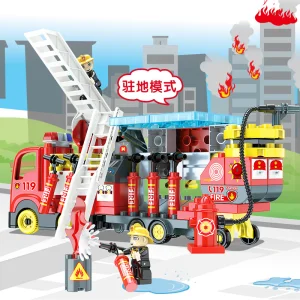
3823 Transformer Fire Truck
View Specifications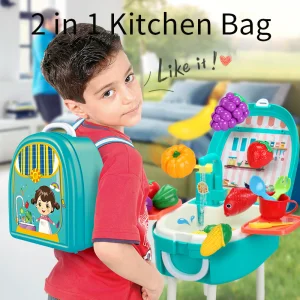
2in1 kitchen bag
View Specifications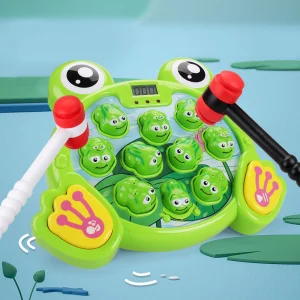
Whack-A-Frog Game
View Specifications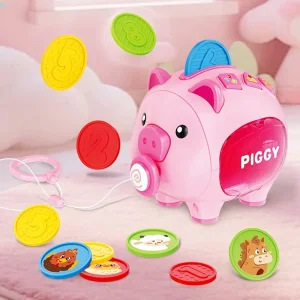
35668 Interactive Piggy Bank
View Specifications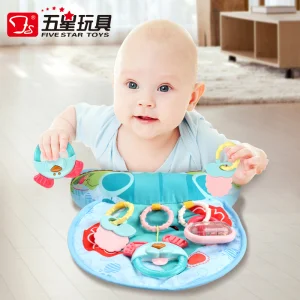
Baby Fitness Play Mat (婴儿健身毯)
View Specifications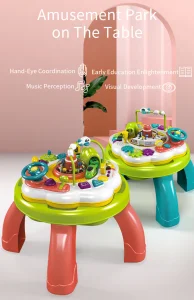
High-speed railway multifunctional learning table
View SpecificationsTechnical and operational insights to streamline your OEM/ODM sourcing decisions.
For toys targeting infants under 36 months, testing protocols include small-parts bite/pull testing (preventing choking hazards under 15 lbs of force), torque tests, drop tests from 4.5 feet onto concrete, heavy metal migration analysis via ICP-MS, and acoustic sound pressure limits ensuring decibels remain safe for infant ears.
This standard means using 100% virgin, food-grade raw materials (ABS, PP, Bio-composites) free from recycled industrial waste, enforcing cleanroom-grade injection environments, employing non-toxic water-based printing inks, and executing rigorous bio-burden and chemical purity checks across all batch lines.
3D design and rapid prototyping prototypes take approximately 5–7 days. Tooling mold manufacturing requires 25–35 days depending on component complexity. Once tooling is validated, initial mass production batches are typically completed within 30 days.
Yes. We provide complete private-label OEM/ODM solutions, including custom colorways, localized voice chip recordings (in English, Spanish, French, German, Arabic, etc.), customized packaging artwork, and regional barcode/compliance labeling.
Modern leaders utilize bio-based composites like wheat straw plastics, sugarcane-derived polyethylene, and post-consumer recycled ABS (for structural outer bodies). These lower carbon emissions during molding while preserving high structural impact resistance.
 Five Star Toys